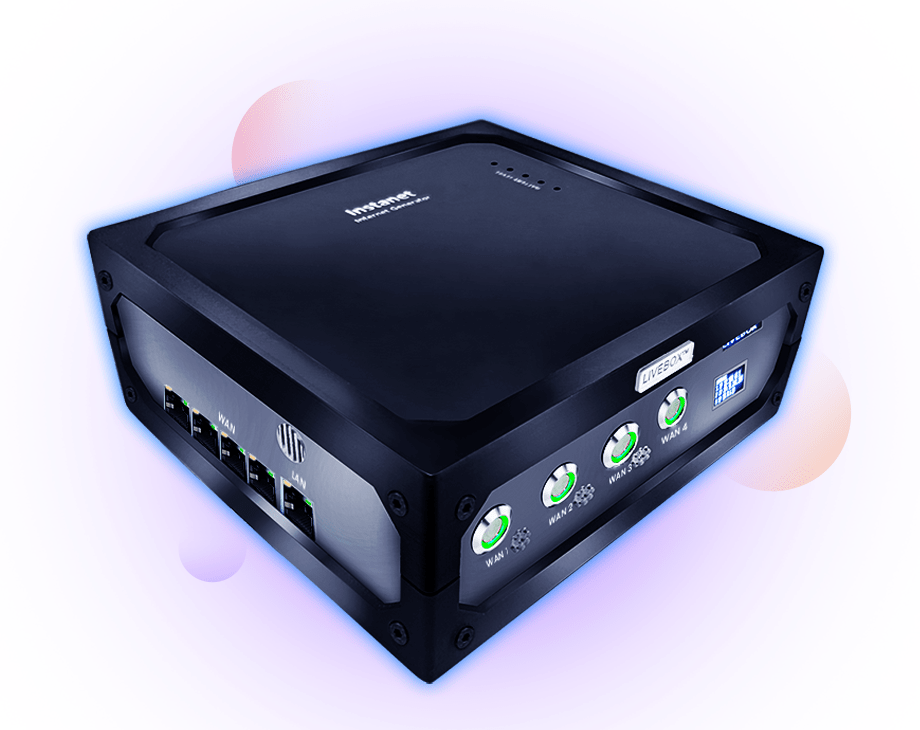
Manufacturing Process
The process behind the product
Router
MANUFACTURING PROCESS
The Instanet internet bonding router is a remarkable piece of technology that goes through a meticulous manufacturing process to guarantee top-notch quality and dependability. Let's take a look at how this fantastic device is made, step by step.
The Process Engineering
In a nutshell, the instanet internet bonding router is meticulously crafted with precision and care. From design and testing, we ensure that each unit meets our exacting standards. With Instanet, you can trust in a device exceptional internet connectivity whenever you need it.
DESIGN AND PROTOTYPING
Our brilliant engineers team up with the product development experts to create a design that meets all the technical requirements for the Instanet router.
We then build a prototype and put is through rigorous testing to fine-tune its performance and reliability.
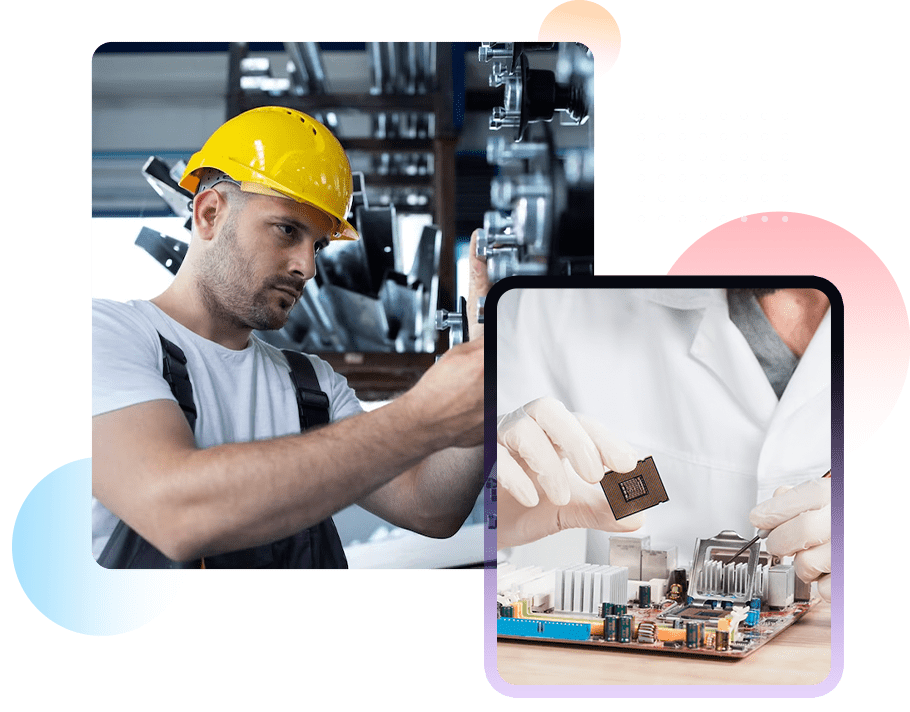
SOURCING MATERIALS
We partner with trusted suppliers and vendors to source the finest components and materials needed for manufacturing the Instanet router.
We leave no stone unturned to ensure that each unit is built to last and perform at the highest level.

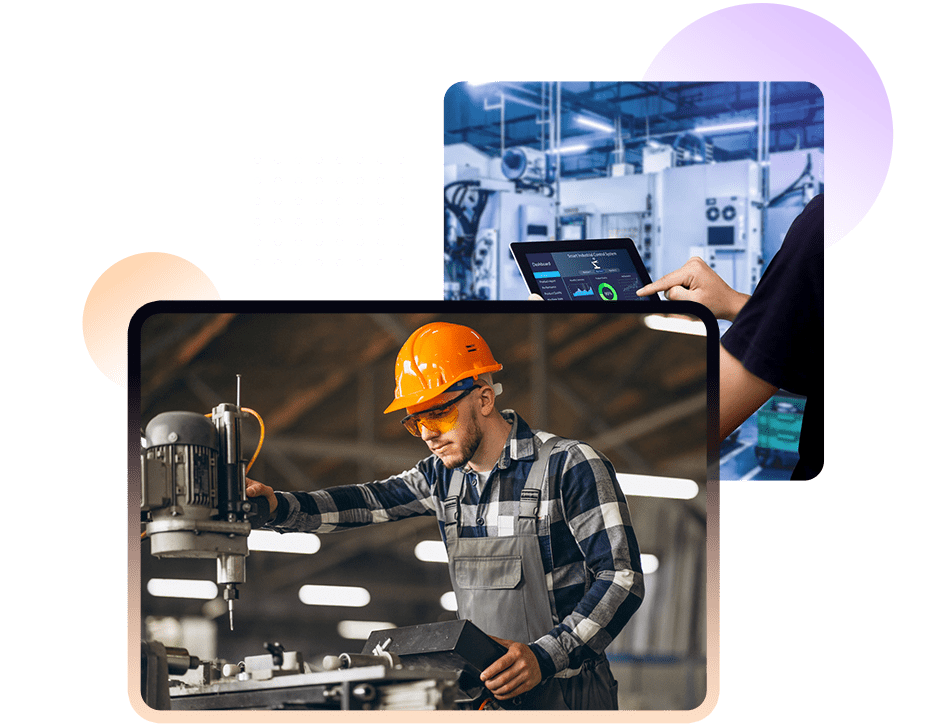
ASSEMBLY AND TESTING
Our skilled technicians take over and carefully assemble each unit with the utmost precision and attention to detail. They make sure that every component is correctly installed and the device is perfectly calibrated.
After assembly, each unit goes through a series of rigorous tests and quality control checks to ensure superior performance and reliability.
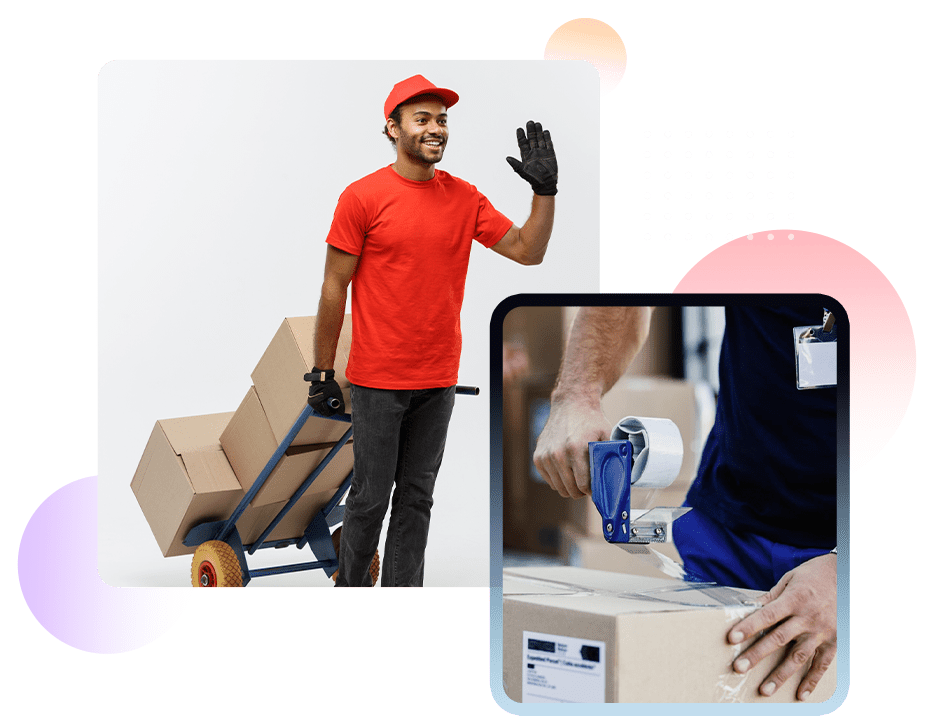
PACKING AND SHIPPING
Once the manufacturing process is complete, we take extra care to protect each Instanet router during shipping.
Our dedicated shipping team collaborates with our logistics partners to ensure that each unit arrives in perfect condition and on time to its destination.
CUSTOMER FEEDBACK
At Instanet, we value customer satisfaction. That's why we follow a meticulous manufacturing process, making sure that every unit meets our high standards.
We want our customers to rely on Instanet for fast and reliable internet connectivity whenever they need it.

PROCESS MAP
The Instanet manufacturing process involves team collaboration, research, brainstorming, and idea refinement. Promising concepts are selected for design, engineering, testing, and mass production, creating a device that enhances productivity, efficiency, sustainability, and addresses societal challenges.
The Instanet manufacturing process involves team collaboration, research, brainstorming, and idea refinement. Promising concepts are selected for design, engineering, testing, and mass production, creating a device that enhances productivity, efficiency, sustainability, and addresses societal challenges.
ENGINEERING DYNAMICS
Applying engineering dynamics principles optimizes the design, operation, and control of bonding equipment, leading to improved quality, efficiency, and performance
ENGINEERING DYNAMICS- CURRENT FLOW
Analyses the appropriate current flow for bonding depends on the bonding method, material conductivity, desired bond strength, safety, and process optimization.
Determines the optimal current level for bonding involves considering factors such as the bonding method, material conductivity, desired bond strength, safety, and process optimization.
APT CURRENT- ENVIRONMENTAL FACTORS
Environmental factors like temperature, humidity, contamination, air quality, static electricity, and altitude/pressure variations affect the bonding process. Considering and controlling these factors optimize bonding and ensure reliable bonds.
Temperature control is crucial for proper bonding and achieving desired bond strength and integrity.
TEMPERATURE- SLIDING TECHNIQUES
The sliding technique improves material contact, mixing, heat generation, bond strength, parameters control, and efficiency in bonding.
Compartments and pillars are integral components of a bonding device.Well-designed compartments and pillars enhance functionality, efficiency, and reliability, enabling consistent high-quality bonds.
INTERNAL COMPONENTS- MODULE INTERGRATION
This approach ensures that each module performs its specific function and that they seamlessly work together for efficient bonding.
These steps ensure that the device is fully assembled, calibrated, tested, and packaged to meet quality standards and be ready for use.
END: FINISHED BONDING DEVICE- READY FOR PACKAGING