
DHCP makes IP management Easy
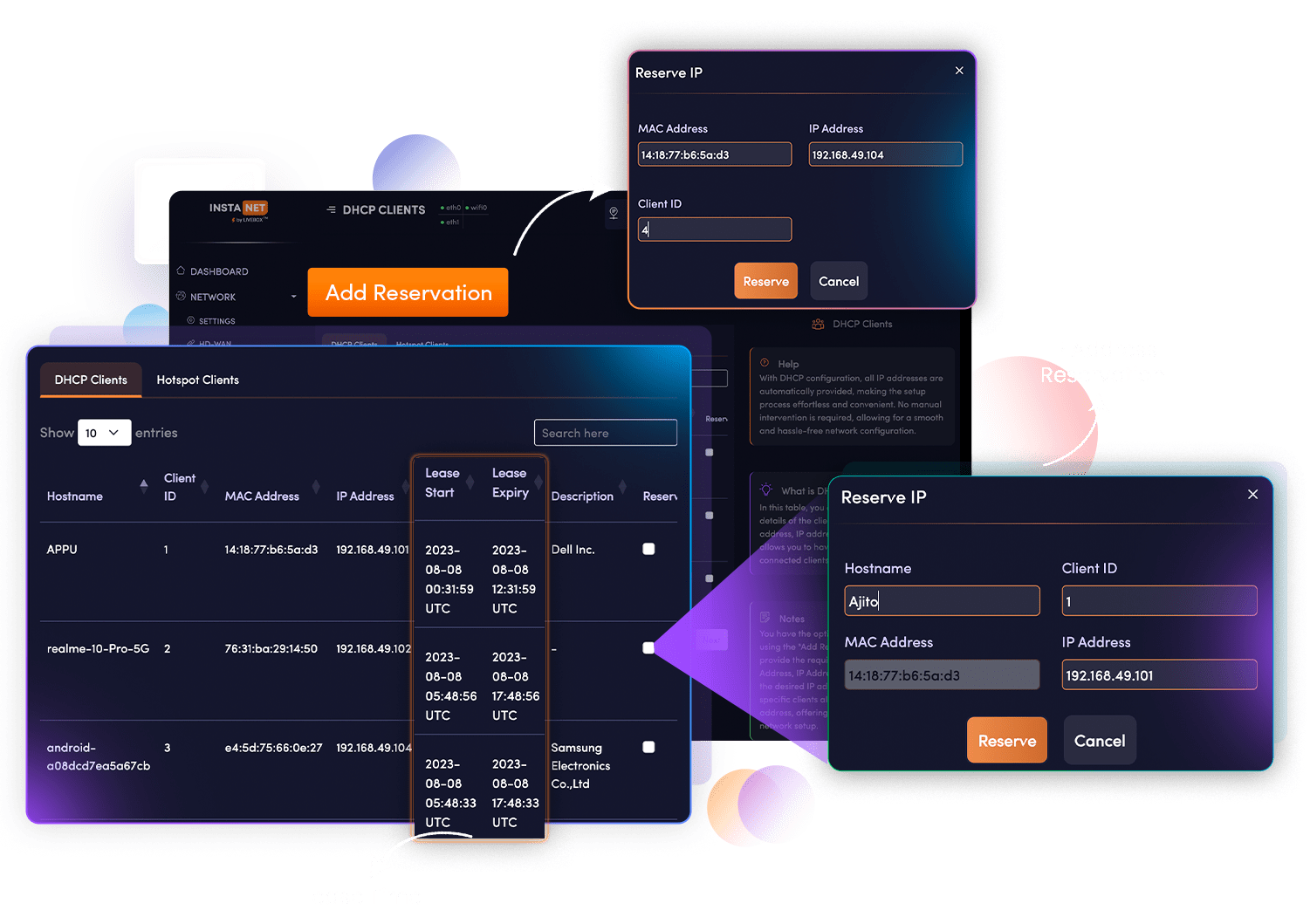
DHCP: Dynamic Host Configuration Protocol
Introduction
The Dynamic Host Configuration Protocol (DHCP) is a network management protocol used to assign IP addresses and other network configuration information to devices on a network. 🌐
History of DHCP
Emerging in the early 1990s, DHCP has become an essential protocol for network management. Its development was pivotal in simplifying network administration.
How DHCP Works
DHCP follows a client-server model with a four-step process:
- Discovery: The client seeks a DHCP server. 📡
- Offer: The server offers an available IP address. 📬
- Request: The client requests the offered address. 📩
- Acknowledgment: The server acknowledges and finalizes the assignment. 🎉
Benefits of DHCP
- Automatic IP Configuration: Simplifies network management. 🤖
- Flexibility: Adapts to changes in the network with ease. 🔄
- Reduced Errors: Minimizes manual mistakes. 👍
Challenges and Considerations
Despite its benefits, DHCP can face challenges:
- Security Risks: Potential unauthorized access. ⚠️
- Configuration Errors: Incorrect setup may lead to issues. ❌
Common DHCP Options
DHCP allows additional configurations such as:
- Subnet Mask Configuration 🎭
- Domain Name Server (DNS) Setup 🌐
- Gateway Settings ⛩️
Real-World Applications
DHCP finds applications in various areas:
- Home Networks: Simplifying home connectivity. 🏠
- Enterprises: Streamlining corporate network management. 🏢
- Internet Service Providers (ISPs): Efficiently managing customer IPs. 🌍
With its origins dating back over three decades, DHCP has significantly evolved and continues to be a vital part of modern networking. Whether you're a network administrator or just someone who enjoys seamless internet connectivity at home, DHCP plays a crucial role in your online experience. Here's to the unsung hero of network management that works silently in the background, making our digital lives a bit easier every day. 🚀